Table Of Content
Digital Printing is a faster and more adaptable method of creating high-quality designs with no delays, no high setup costs, and no restrictions. Considering you can print directly on different materials without having to go through a complicated setup, it saves you time and expenses.
Moreover, it is a preferred pick for custom packaging, brochures, or even a custom design, due to its amazing speed, flexibility, and accuracy. Most importantly, the digital method helps fulfill small orders while promising complete customization. Modern companies do not rely on the old methods but employ the latest technology to print clear prints quickly and at very low costs.
What is Digital Printing?
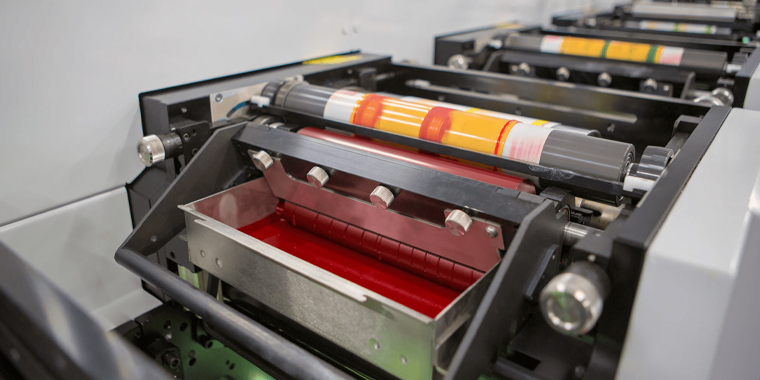
Digital printing is a process in which graphics made using design software are printed directly onto a material. There is no need for printing plates, which makes it a faster and cost-effective option for small and medium-sized projects. This technology is compatible with various packaging materials, including paper, cardboard, plastic, and fabric. Indeed, a highly versatile solution for packaging and other industries.
Key Applications
Typical examples of digital printing are:
- Brochures, flyers, etc.
- Business cards
- T-shirt printing
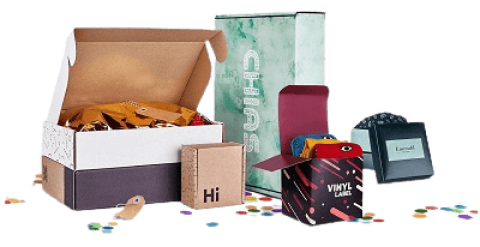
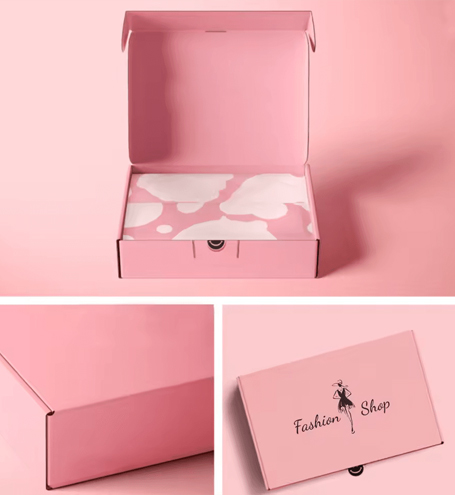
- Custom boxes with logo
- Album/Photo printing
- Industrial labeling
- Posters and banners
Benefits of Digital Printing | Reasons to Choose
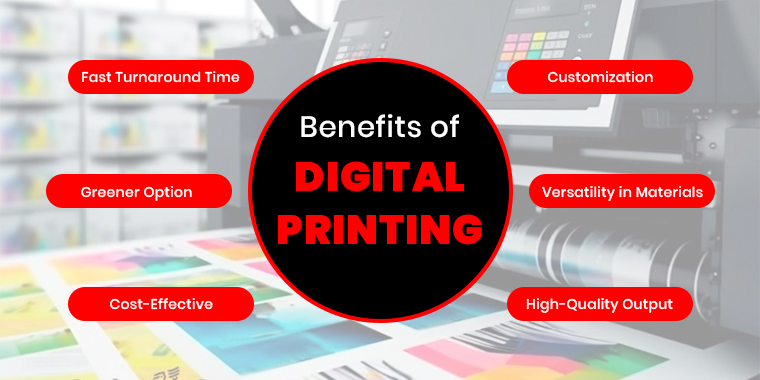
Digital printing is the best choice used by businesses, as it is associated with many advantages.
Fast Turnaround Time
Digital printing stands tall against the time-consuming setup procedures. This is fast! Thus, projects can be designed and reach the final result within hours. This gives a perfect opportunity to suit a last-minute order, urgent deadlines, and those companies in need of quick and reliable delivery.
Greener Option
Digital printing generates less waste and reduces chemical use. This supports environmentally friendly practices.
Small Runs + Cost-Effective
Digital printing is also very cheap in short runs, whereas traditional printing requires the use of expensive equipment to set up as well as create plates.
Customization
This technology equips us to personalize each print with ease without any slacking in the process. Be it specialty gift box, custom marketing content, or variable data printing, companies can make each item unique to a particular audience.
Versatility in Materials
Digital printing is compatible with a variety of substrates. These include plastic, metal, and even holographic boxes.
High-Quality Output
The use of modern skills ensures high-definition images, clear readability of text, and sharp colors. It also guarantees quality workmanship on various materials to allow the companies to stay true to their brands and present products to the customer in an appealing way.
Types of Digital Printing
There is no one-size-fits-all approach to digital printing. It is available in a variety of styles, each designed for particular materials of display boxes, finishes, and uses. Each variety offers a unique flavor of speed, quality, and flexibility, ranging from large-scale banners to crisp photo prints. Let's take a brief look at the most common ones.
1. Inkjet Printing
Inkjet is a printing process that expels minute-sized microdrops of colored ink onto your selected surface using a high degree of precision. This is the gold standard of a technique that needs a gamut of colors and photographic depth in projects.
Common Uses:
- Fine art galleries
- High-definition professional photography
- On-demand printing of apparel and textiles; Direct-to-Garment ( DTG )
- Limited quantity of marketing materials, such as luxury brochures and flyers
- Retail posters
- Indoor architectural rendering
2. Laser Printing
Laser printing follows an advanced electrostatic process in which an image is drawn to a drum with the help of a laser beam. Powdered toner is then drawn to this drum, and it is fused to the material under the intense heat. It is valued due to its unbelievable speed and clear printed text.
Common Uses:
- Business documents and reports
- Direct mail advertising
- Personalized transactional billing
- Letterheads, envelopes, and high-speed variable data addressing
- Booklets, newsletters, etc.
- Black and white instruction manuals in the short run.
3. Large Format Printing
Large-format printing is the key to a project of an enormous size, which should not lose its clarity. These specialized digital printing machines are used to process wide rolls of material, making use of non-fading inks that resist environmental factors.
Common Uses:
- Vinyl outdoor banners and giant billboards
- Construction site fences
- Trade show exhibitions, pull-up banners, and point of purchase
- Commercial fleet and full-size vehicle wraps.
- Retail giant wall paintings
- Window graphics or Decals
UV Printing
UV printing is the future of digital printing because it highlights the use of ultraviolet light in the process of curing or drying ink immediately. This instant digital commercial printing prevents diffusion and saturation of the ink in the substrate, and printing on virtually any hard surface is feasible.
Common Uses:
- Printing on unusual surfaces such as glass, wood, metal, and ceramic
- Promotional retail boxes and branded products (phone cases, pens, and USBs)
- Industrial-level shipping labels and signage for a very high level of weather resistance.
- Effects of tactile packaging, such as 3D spot gloss and raised texts.
Step-By-Step Process | How Does It Work?
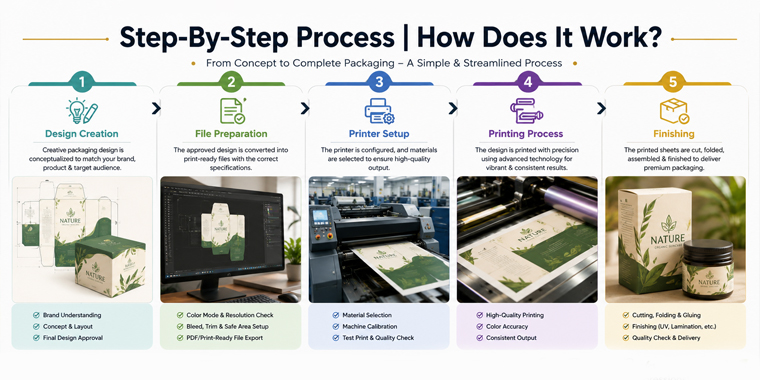
It is also worth knowing how a digital printing machine works so that you can appreciate its effectiveness and accuracy. The following is the plan of action:
Let’s dive into it.
1. Design Creation
The tour starts with a digital picture frame.
Designers create high-resolution images with the help of professional software such as Adobe Photoshop or Illustrator.
2. File Preparation
The appropriate format, e.g., a high-quality PDF or TIFF, is chosen, making sure that the resolution is at least 300 DPI, and converting any colors to CMYK mode.
3. Printer Setup
Before pushing the start button, the operator programs the machine by choosing the particular substrate, such as premium paper, vinyl, or fabric, as well as setting the printer parameters to align with the thickness of the material.
4. Printing Process
Once the digital design is uploaded, the printer delivers ink or toner onto the selected material according to the digital information. Since this does not in any way require physical printing plates, it is much quicker and less expensive.
5. Finishing
The last phase provides the professional touch. The finished printed sheets are processed in terms of accuracy in cutting, protective laminating, or professional binding.
Read More: Multiply Packaging Appeal and Brand Perception with Gloss Finishing on Boxes
Digital Printing vs Traditional Printing
Digital printing and normal printing methods like offset or screen printing each have their strengths. Below is a table highlighting the key features of both printing methods in the industry.
| Feature | Digital Printing | Normal Printing (Offset & Screen) |
| Setup Time | No setup is required, prints directly from digital files | Requires plate-making and setup, increasing lead time |
| Cost for Short Runs | Cost-effective for small and medium print runs | Becomes cost-effective only for large volumes |
| Customization | Support data printing (e.g., names, barcodes, QR codes) | Limited personalization capabilities |
| Turnaround Time | Fast production with same-day or next-day delivery possible | Longer lead times due to setup and drying processes |
| Eco-Friendliness | Reduces material waste and uses less ink | Can generate more waste due to setup and excess ink |
| Print Quality | High-resolution prints with vibrant colors | Extremely high-quality and sharp details, especially for large runs |
| Material Compatibility | Works on plastic, fabric, and even metals. | Best for custom paper bags, cardboard boxes, and certain specialty materials. |
The choice depends on factors like quantity, cost, and complexity of design.
Conclusion
The printing industry has been changed by digital printing, which ensures speed, flexibility, and a high-quality outcome. Whether it is a small business or a large business, all gain advantages with the fact that it is capable of providing custom solutions at low costs and within a short time span. Digital printing technology is a popular and efficient solution, whether you require packaging, marketing materials, branded products, etc.
At Custom Designs Boxes, we assist businesses to shine with high standards of printing services based on their requirements. Ready to have a separate place in the competitive market? There is no day like today to call 888-385-1812 and find out how digital printing can change your business.
Frequently Asked Questions
We’re confident that you will love our products and service.

Abdul Waheed
With over a decade of experience in the printing and packaging industry, I’ve dedicated my career to helping brands reshape their identity with creative, sustainable, and cost-effective packaging solutions. Being the CEO of Custom Designs Boxes, my mission is simple: to balance innovation with affordability so businesses of every scale can enjoy premium packaging truly reflecting their vision. When I’m not strategizing for the next big packaging trend, you’ll find me exploring design inspirations, mentoring my team, and building lasting relationships with clients.