Table Of Content
Is there such a thing as a "standard" tissue box, and why do tissue boxes come in so many sizes?
In the real world, the tissue box dimensions are not at all arbitrary. They are a subtle blend of human behavior, packaging knowledge, and ergonomics.
When you grabbed a tissue, did you ever get two instead of one? Or battled when the box continued to slide because it was too light? That’s where size design comes in! After all, the dimensions are based on three factors:
- Hand reach comfort
- Tissue dispensing flow
- Space efficiency (home, office, or car)
Therefore, we're really talking about striking a balance between usefulness and storage mechanics. Let's analyze the specifics so that it's not only numbers on paper but also makes sense.
Standard Tissue Box Dimensions (The Industry Norm)
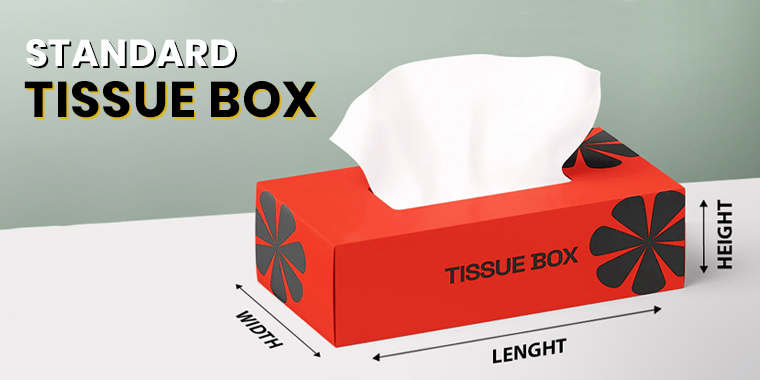
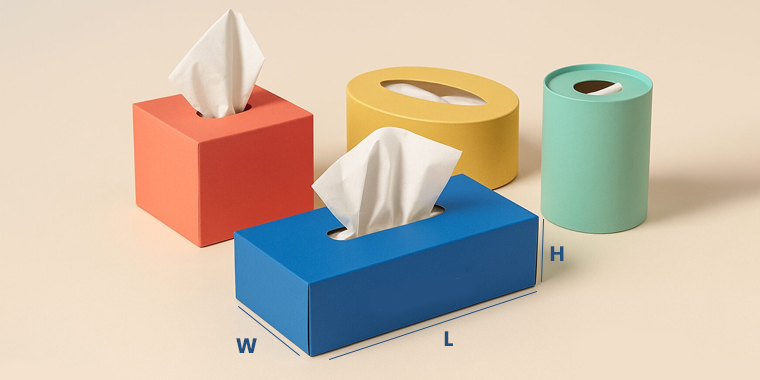
When someone refers to "standard tissue box dimensions," they typically mean the rectangular box that is the most common shape. This is how it typically appears:
- Length: 8.5 to 9.5 inches (21–24 cm)
- Width: 4.5 to 5.5 inches (11–14 cm)
- Height: 2 to 3.5 inches (5–9 cm)
These are the traditional "family-size" tissue boxes that are used in offices, clinics, and households. The intriguing aspect is that there isn't a single, universal practice. So why do these rectangular tissue box dimensions feel standardized everywhere? Because companies silently adhere to the best techniques for tissue stacking in a smooth pull-out mechanism.
Square Tissue Box Dimensions
The dimensions of the square tissue box varied slightly:
- Length & Width: 4.5 to 5 inches (11–13 cm)
- Height: 4.5 to 5 inches (11–13 cm)
These are meant for expensive tissue brands that desire a sleek, contemporary appearance, or they can be suitable for minimal décor. Additionally, these small tissue box dimensions are very well-liked for:
- Car dashboards
- Coffee tables
- Hotel rooms
These custom boxes with logo are basically the “Instagram-friendly” version - small, tidy, and visually appealing.
6 Easy Steps to Measure a Tissue Box's Dimensions Correctly
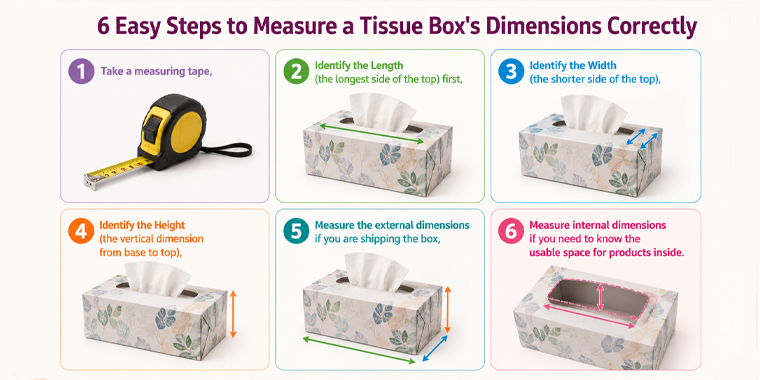
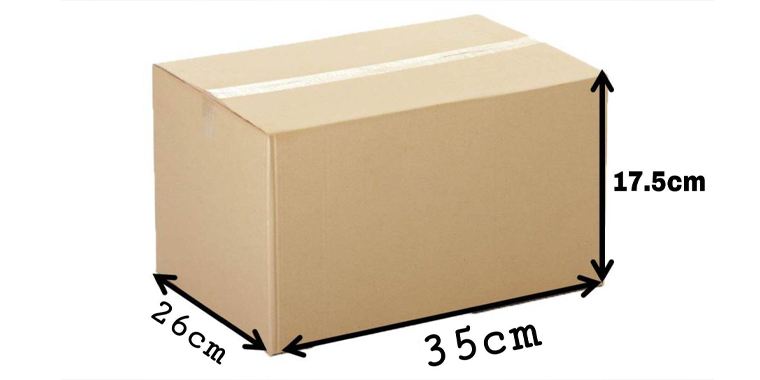
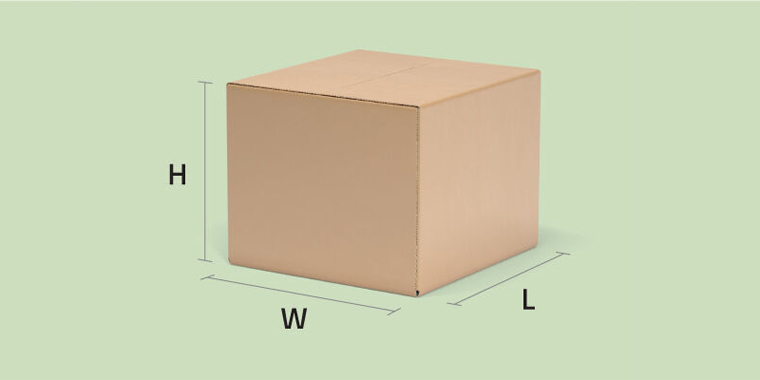
Follow these steps to measure tissue paper box dimensions accurately: Length x Width x Height
- Take a measuring tape
- Identify the Length (the longest side of the top) first
- Identify the Width (the shorter side of the top)
- Identify the Height (the vertical dimension from base to top)
- Measure the external dimensions if you are shipping the box
- Measure internal dimensions if you need to know the usable space for products inside.
Read More: How to Measure Box Dimensions Accurately
What Is the Volume of a Tissue Box?
Volume matters a lot in packaging design, shipping cost, and shelf space efficiency. And keep in mind that a tissue box's shape determines its volume.
If the dimensions of a typical rectangular box are 9 inches x 5 inches x 3 inches, the volume will be 135 cubic inches. The volume of a cube box with dimensions of 5 inches × 5 inches × 5 inches is 125 cubic inches.
It's also an illusion! Even though the volume of cube boxes is comparable to that of rectangular designs, equal sides deceive the brain into picturing them as small.
How Many Tissues in a Tissue Box?
It depends on how big is a tissue box, but here’s a general idea:
- Standard box: 160 to 200 tissues
- Family-size box: 200 to 300 tissues
- Small box: 50 to 100 tissues
Cube boxes and rectangular boxes usually carry similar counts, but cube boxes may feel fuller due to tighter folding. Moreover, manufacturers often adjust tissue count based on:
- Ply thickness (1-ply, 2-ply, etc.)
- Folding method
- Box height constraints
Bonus: The rule of thumb in retail packaging design is simple and practical. Larger sheets are used to create deeper or wider boxes, giving more space and structure to the packaging. On the other hand, using more sheets helps increase the height, resulting in taller box designs that accommodate bigger or stacked products.
Why Tissue Box Sizes Are Not One-Size-Fits-All
You might think there would be a universal size, but nope, tissue boxes vary because of:
- Usage environment matters, as homes prefer larger boxes, cars prefer compact ones, and hotels go for aesthetic cube styles.
- Brands often tweak size to stand out on shelves.
- Different folding patterns change height and internal capacity.
- Some countries prefer bigger family packs, others prefer compact designs.
How to Choose the Right Tissue Box Size for Your Needs?
Ask yourself…
- What is the size of the tissue pack insert? The box must be 1/8" larger on each side to accommodate the insert smoothly.
- Where will it be used? Car console or bathroom counter? Think about it and measure the space. Ensure the box fits comfortably in the designated area.
- What is your brand aesthetic? Modern and minimalist (cube)? Classic and reliable (standard)? You must know this. Choose a box that complements your décor and your brand identity.
- What are your shipping and storage constraints? Smaller and uniform boxes can be packed more efficiently than average tissue box dimensions.
Final Perspective
Although tissue boxes seem to be commonplace objects, their dimensions are actually carefully considered choices that are camouflaged as packing. Every design has an intent, from rectangular tissue box measurements that sustain heavy usage to cube tissue box dimensions that fit futuristic interiors.
Ready to create custom tissue boxes with the perfect dimensions? Custom Designs Boxes specializes in creating bespoke packaging solutions. Get an instant quote and design help today by dropping us a line at sales@customdesignsboxes.com.
Frequently Asked Questions
We’re confident that you will love our products and service.

Abdul Waheed
With over a decade of experience in the printing and packaging industry, I’ve dedicated my career to helping brands reshape their identity with creative, sustainable, and cost-effective packaging solutions. Being the CEO of Custom Designs Boxes, my mission is simple: to balance innovation with affordability so businesses of every scale can enjoy premium packaging truly reflecting their vision. When I’m not strategizing for the next big packaging trend, you’ll find me exploring design inspirations, mentoring my team, and building lasting relationships with clients.