Table Of Content
You've perfected the design. Colors are strong. The logo is perfect. Typography? Tidy. Confident! On the brand! However, the box is touched by someone, and all of a sudden it seems a bit... disappointing.
That’s the moment lamination steps in and saves the vibe!
For cardboard, lamination is more than simply a cosmetic touch; it makes the difference between a box that feels high-end and one that looks mediocre. It provides that discreet "this brand knows what it's doing" attitude.
If you're working with cardboard packaging and are pondering how to level it up without making things overwhelming, keep scrolling.
What Is Lamination for Cardboard Packaging?
Although cardboard is extensively used, inexpensive, and adaptable, it has one drawback: exposure. Untreated surfaces are negatively impacted by moisture, scratches, fingerprints, and UV rays. Even the greatest print jobs can eventually fade, scuff, or absorb dirt if they are not laminated.
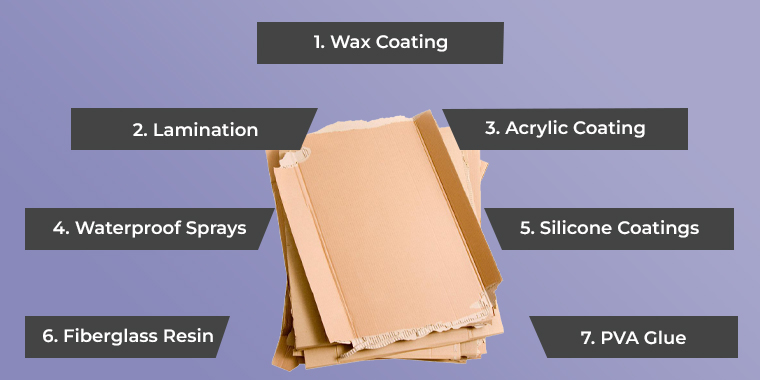
Lamination is essentially the process of covering printed cardboard surfaces with a thin protective coating. Depending on the desired appearance and efficiency, this film can be glossy, matte, or even textured. It uses heat or glue to attach a plastic-based layer (such as polyester or polypropylene) to the outermost layer of cardboard. The expected result? A more polished, robust, and aesthetically pleasing product.
It prolongs the life of your custom shape boxes in addition to maintaining their visual appeal. And that's a big victory in retail or online shopping!
08 Benefits To Remember
Let’s break down what you actually gain when you laminate cardboard boxes.
- Lamination protects the surface from dust, smudges, and wear & tear. This is particularly helpful for long-distance shipments and in humid conditions.
- Colors appear brighter. Details seem sharper. Lamination optimizes the overall presentation, whether you choose gloss or matte.
- Cardboard becomes more resilient to rips and creases. Under pressure, it maintains its shape more effectively.
- Printed images don't fade or smudge over time.
- The coarseness of raw cardboard gift boxes is taken out via lamination, producing a smooth and uniform surface.
- Lamination can be used for a variety of branding designs, from muted matte textures to high-gloss brilliance.
- Additional finishes such as foil stamping, embossing, and spot UV perform well on laminated surfaces.
- Laminated surfaces successfully deter small amounts of moisture and spills, although they are not completely waterproof.
People evaluate packaging, so let's not overlook this. Laminated finishes convey credibility of the brand, superior craftsmanship, and attention to detail.
Read More: Acrylic Coating for Cardboard: The Secret Sauce to Sleek, Durable Packaging
Types of Lamination for Boxes
Not all laminations behave the same. Each type brings a different personality to a cardboard box with handle.
Gloss Lamination
Shine is the key to this one! Colors are made better with gloss lamination, giving them a richer and more saturated image. When you want your box to draw attention and light, this is perfect.
Matte Lamination
Matte lamination provides a velvety, soft surface while reducing gloss. In luxury or minimalist branding, when grace is more important than flash, it is frequently chosen.
Soft-Touch Lamination
A silky, nearly suede-like sensation is produced using soft-touch lamination. People notice this type of polish without even realizing.
Anti-Scratch Lamination
This is made to last and is resistant to marks and scuffs, making it ideal for packaging that travels long distances or is subjected to rigorous handling.
Packaging Applications + Industrial Uses
Lamination isn’t limited to one niche; it shows up across industries where presentation and protection matter equally.
|
Packaging Application |
Explanation |
| Retail Packaging | Protects boxes against fingerprints and minor scratches, keeping them sparkling and clean for improved shelf appeal. |
| Food Packaging (Outer Boxes) | Helps preserve structure and cleanliness by shielding outside boxes from moisture, oil, and grease. |
| E-commerce Packaging | Increases resilience to endure handling, moisture, and transportation damage without sacrificing aesthetics. |
| Luxury Product Packaging | Uses treatments like matte or soft-touch lamination to boast a high-end appearance and feel. |
| Promotional & Gift Boxes | Upscales the attractiveness and durability of packaging, making it more reusable and intriguing. |
Comparisons: Laminated vs Non-Laminated Cardboard
To really understand the value, it helps to put both options side by side.
Appearance
- Laminated: Shiny, colorful, and reliable
- Non-laminated: Prone to uneven surfaces and dullness
Durability
- Laminated: Highly resistant to wear, dampness, and scratching
- Non-laminated: Collects moisture and is easily scuffed
Print Quality Over Time
- Laminated: Preserves color fidelity and clarity
- Non-laminated: Smudges or fades faster
Cost
- Laminated: A little more expensive initially
- Non-laminated: Initially more cost-effective
Brand Perception
- Laminated: High-end, dependable, attractive
- Non-laminated: Simple and useful
Thus, while lamination raises production costs, it also raises the perceived value of display boxes, and you often benefit from that trade-off.
Read More: Spot UV vs. Gloss UV: How to Choose the Right Coating
Is Lamination Always the Right Choice?
Not always, and that’s worth mentioning.
You may want to look into eco-friendly coatings or lamination options if your business has a strong emphasis on sustainable packaging. Although more recent biodegradable alternatives are becoming more widely available, traditional plastic films may have a direct effect on recyclability.
Additionally, lamination might not be required for packaging that is particularly cost-sensitive, such as bulk shipment cartons. However, it's difficult to lose sight of the enhancement lamination offers for anything that interacts with customers, particularly when design is important.
Final Thoughts
Cardboard lamination optimizes packaging's functionality, longevity, and communication efficiency in addition to its appearance.
Laminated cardboard boxes give you an advantage that is both aesthetically pleasing and practical, whether you're creating a brand from the ground up or upgrading an already-existing packaging line. They provide a tactile feel that simple cardboard simply cannot duplicate, withstand pressure, and maintain their sharpness over time.
And if you’re geared up to turn that benefit into a real market-leading advantage, this is your move to collaborate with a packaging partner who is knowledgeable about the style and science of lamination for cardboard packaging. Custom Designs Boxes has a skilled team that can ensure your boxes not only look nice but also function well in any setting they are placed in, from selecting the ideal finish to determining durability for your product category.

Abdul Waheed
With over a decade of experience in the printing and packaging industry, I’ve dedicated my career to helping brands reshape their identity with creative, sustainable, and cost-effective packaging solutions. Being the CEO of Custom Designs Boxes, my mission is simple: to balance innovation with affordability so businesses of every scale can enjoy premium packaging truly reflecting their vision. When I’m not strategizing for the next big packaging trend, you’ll find me exploring design inspirations, mentoring my team, and building lasting relationships with clients.